
How traceability and automation open the door to digital transformation and a new way of managing healthcare
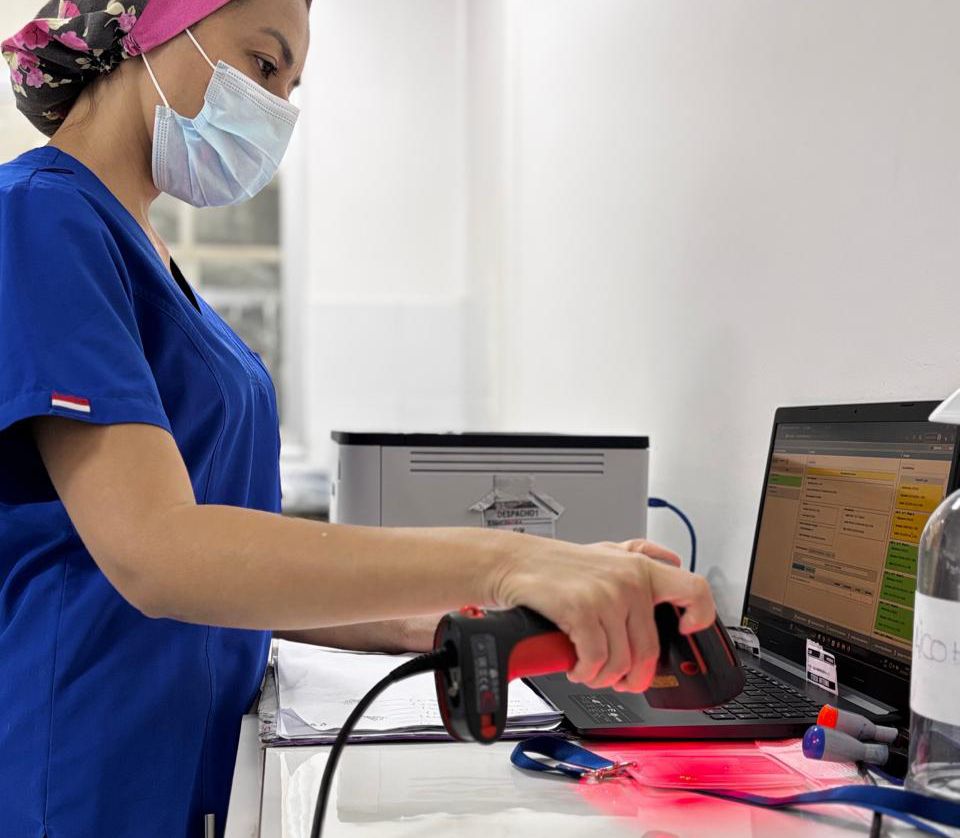
In a context where healthcare systems seek greater safety, efficiency, and standardization, traceability and automation are becoming the pillars of a new stage in hospital management. Today, digital transformation is not just a trend—it is a strategic necessity. Along this path, technologies such as the traceability and management software for medical instruments and medical devices (MD) developed by Interlab are redefining how every critical process within a Central Sterile Services Department (CSSD) is organized, controlled, and documented.
Digital traceability makes it possible to know, in real time, the location, history, and condition of each surgical instrument. From its use in the operating room to washing, inspection, packaging, and sterilization, every stage is automatically recorded, without relying on manual logs or scattered controls. This complete visibility reduces risks, standardizes processes, and provides key information for both clinical and administrative decision-making.
The real revolution, however, occurs when traceability is combined with automation. Integration with washers, sterilizers, thermo-disinfectors, barcode readers, and hospital systems allows workflows to be connected, human errors to be reduced, and tasks that previously depended on multiple operators to be accelerated. In this way, hospitals and clinics can move toward safer, more agile models aligned with international standards.
Interlab’s technology, present in institutions throughout the region, shows how data-driven management transforms the daily operations of a CSSD. Dashboards make it possible to visualize loads, processing times, and productivity; automated reports streamline internal and external audits; and operational indicators provide a new level of control over reprocessing quality.
This progress impacts not only the sterilization area but the entire healthcare structure. Instruments available at the right time, reduced reprocessing, lower loss rates, and more efficient surgeries are just some of the direct benefits. Together, these capabilities enable a digital ecosystem that empowers teams, improves patient safety, and optimizes resources.
Digital transformation in healthcare is no longer measured solely by state-of-the-art equipment, but by the ability to integrate, analyze, and use the data generated in every process. In this sense, traceability and automation represent far more than technological tools—they are the gateway to a new way of managing healthcare.
With in-house developments, specialized support, and continuous evolution aligned with new regulations, Interlab supports institutions across the region on the path toward smarter, safer hospitals prepared for the future.


